Cell and gene therapies (CGTs) represent the frontier of modern biopharmaceuticals, promising curative outcomes for rare diseases and complex cancers. However, scaling cell therapy manufacturing presents unprecedented technical, regulatory, and logistical challenges—from managing short shelf-lives and autologous chain-of-custody to achieving scalable, cost-effective allogeneic processes.
At OAAK Biosolutions, we provide specialized cell therapy manufacturing consulting services that bridge early-stage bioprocess design with commercial cGMP scale-up. We partner with biotech innovators to streamline technical operations, resolve chemistry, manufacturing, and controls (CMC) bottlenecks, and bring transformative therapies safely to market.
Our consulting services span the complete developmental spectrum for both autologous (patient-specific) and allogeneic (off-the-shelf) cell therapies.
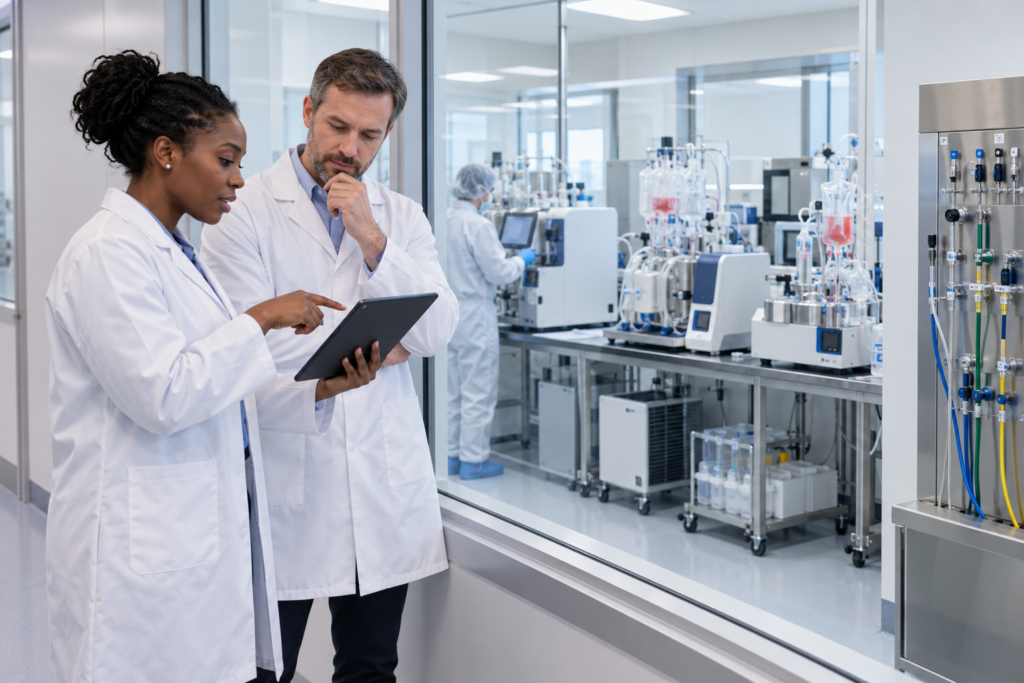
Transitioning living cellular products from research labs to scalable clinical manufacturing requires precise process controls.
Autologous Workflows: Establishing strict Chain-of-Identity (COI) and Chain-of-Custody (COC) tracking to eliminate mix-up risks.
Allogeneic Scale-Up: Developing scalable bioreactor platforms, master cell banks (MCBs), and high-yield expansion protocols.
Closed-System Automation: Transitioning open manual steps to automated, closed bioprocessing systems to minimize contamination hazards.
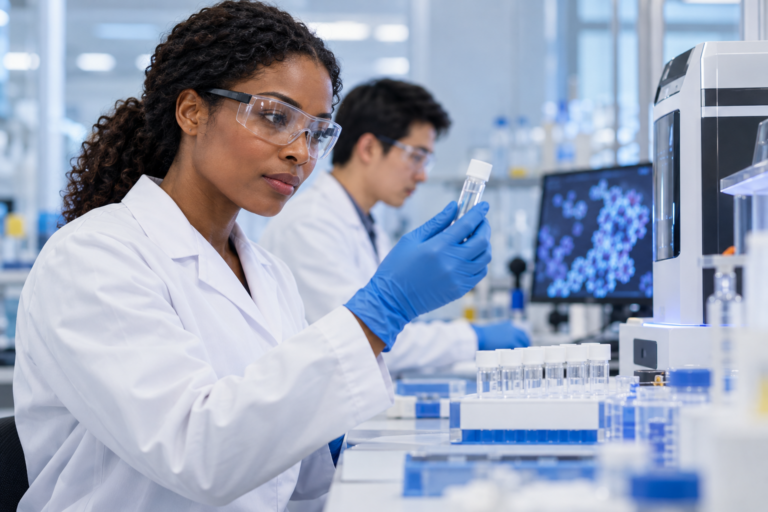
Gene-modified cell therapies rely heavily on high-quality viral vectors (AAV, Lentivirus, Retrovirus) or non-viral editing systems (CRISPR/Cas9).
Vector Upstream & Downstream Processing: Optimizing transfection, harvesting, purification, and full-to-empty capsid separation.
Contamination & Adventitious Agent Control: Implementing robust sterility and mycoplasma testing protocols.
Scale-Up Strategy: Moving from adherent systems to suspension bioreactor production for commercial supply.
Because terminal sterilization is impossible for living cell products, strict sterility assurance is vital.
Aseptic Technique Validation: Designing environmental monitoring (EM) programs and media fills for Grade A/B environments.
Single-Use Technologies (SUT): Integrating disposable bioprocessing assemblies to reduce cross-contamination and turnaround times.
Facility Qualification: Assisting in cleanroom design, air handling (HVAC) qualification, and flow of materials/personnel.
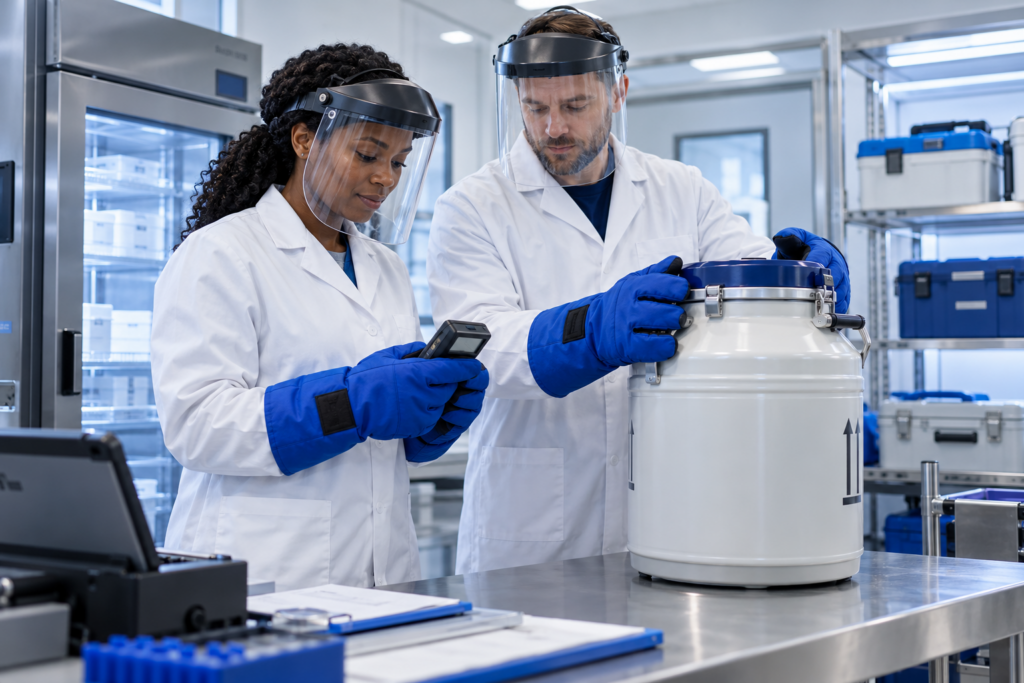
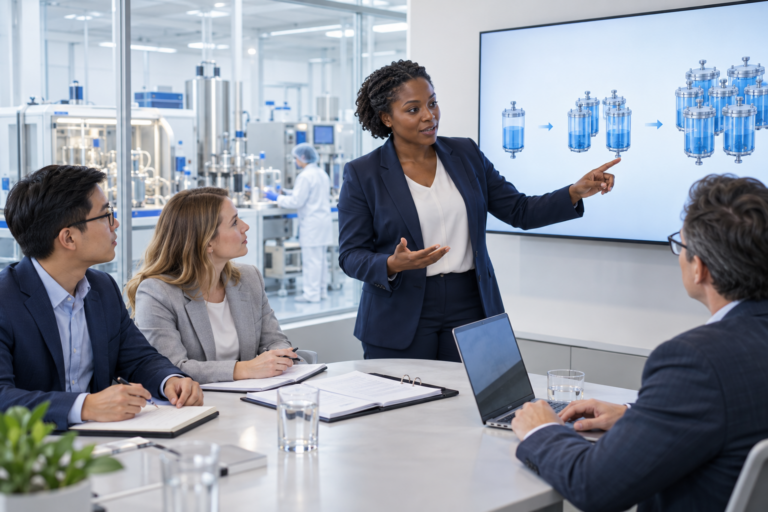
The viability of living therapies hinges on temperature-controlled preservation and rapid distribution.
Controlled-Rate Freezing: Developing optimal cryoprotectant formulations and freezing profiles to preserve post-thaw cell potency.
Ultra-Cold Supply Chain: Designing ultra-low temperature (ULT) and liquid nitrogen (LN_2) distribution networks with real-time tracking.
Process & Gap Assessment: Evaluating current laboratory workflows, media choices, and equipment readiness for cGMP transition.
CMC & Process Optimization: Engineering robust, closed-system processes with defined critical quality attributes (CQAs).
Tech Transfer & CDMO Oversight: Vetting specialized cell therapy CDMOs, conducting audits, and overseeing technology transfer.
Validation & Commercial Readiness: Executing process validation batches, analytical assay qualification, and regulatory filing support.


Lower overall manufacturing expenditure by transitioning manual, open processes to automated, closed single-use systems that reduce cleanroom footprint and labor requirements.

Eliminate sample mix-up risks and safeguard patient-specific therapies by deploying robust digital Chain-of-Identity (COI) and Chain-of-Custody (COC) tracking systems.
Overcome volumetric expansion challenges in autologous and allogeneic workflows by optimizing bioreactor parameters, viral vector yields, and cryopreservation protocols.

Navigate evolving advanced therapeutic pathways effortlessly by aligning your CMC strategy and analytical validation directly with FDA (CBER) and EMA guidelines.
Autologous manufacturing utilizes a patient’s own cells, requiring a “one-batch-per-patient” model with rigorous chain-of-identity tracking. Allogeneic manufacturing uses donor cells to create large master cell banks, producing hundreds of doses from a single batch in scalable bioreactors.
We lower COGS by transitioning manual, open processes into automated, closed single-use platforms, optimizing media consumption, increasing cell expansion yields, and reducing batch failure risks through proactive QRM.
Yes. We conduct specialized technical audits of potential CGT CDMOs, evaluate their cleanroom capacities, viral vector track record, and analytical testing capabilities to match your specific timeline and budget.
Transform complex cellular discoveries into scalable, cGMP-compliant therapies. Partner with OAAK Biosolutions for industry-leading cell and gene therapy manufacturing expertise.